
Your Cart
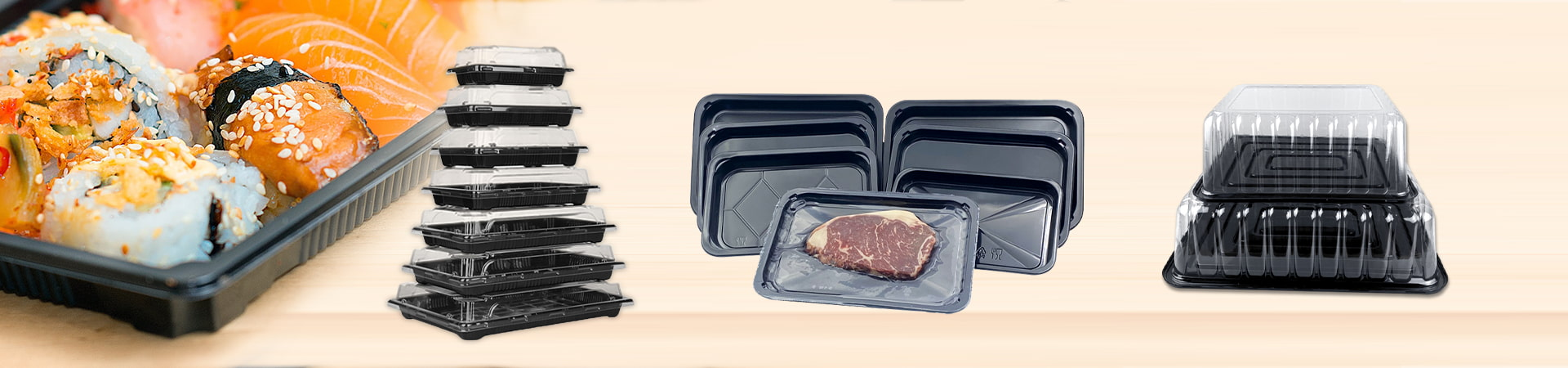
Vacuum Packaging Trays for Nuts and Dried Fruit: Keeping Snacks Fresh From the Sealing Line to the Shelf
Nuts and dried fruit are shelf-stable until they are not. The same batch that tastes clean and crunchy on the sealing line can arrive at retail rancid, soft, or smelling of the mixed pack next to it — and none of that shows until a customer opens the pack. For snack brands, the tray and the seal are not packaging details; they are the product's entire defense system.
That is why vacuum and hermetically sealed packaging has shifted in 2026 from a premium option to a baseline requirement across snack categories. Modern trade buyers increasingly specify remaining shelf life at delivery, and a pack that cannot hold an airtight seal does not survive the audit. This article walks through how to choose vacuum packaging trays that actually protect nuts and dried fruit from the sealing line to the shelf.
Why Nuts and Dried Fruit Fail Faster Than Most Snacks
Two enemies, both invisible until the complaint arrives:
Oxygen turns oils rancid. Nuts carry a high oil content, and oxidation is what produces the stale, paint-like flavor customers describe in reviews. Unlike bacterial spoilage, rancidity has no visual warning — the product looks perfect and tastes wrong. Removing oxygen from the pack is the single most effective control, which is why vacuum and sealed formats dominate the category.
Moisture turns texture soft. Dried fruit and roasted nuts are hygroscopic: they pull humidity from the air and from each other in a mixed pack. Crispness is a texture promise, and once it breaks, the product reads as old even when it is microbiologically fine.
A sealed tray addresses both at once: the lid and tray form a closed system that holds vacuum or a low-oxygen headspace, while the material itself blocks ambient humidity. Our guide to vacuum packaging trays for meat and cheese covers the cold-chain side of the same technology — for snacks the physics is identical, only the failure mode changes.
What the Tray Actually Does in a Sealed Pack
In a vacuum pack, the tray is not a passive holder — it defines whether the seal survives handling. Three jobs matter most:
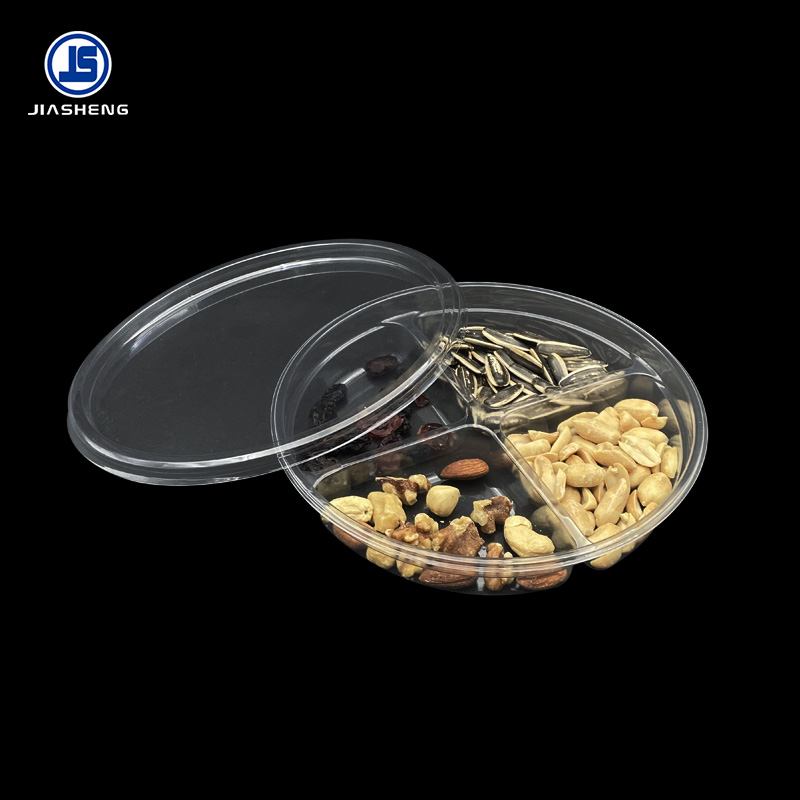
A rigid sealing rim. The lid seals against the tray's flange, so that flange must stay flat and stiff through stacking, transport, and temperature swings. A rim that warps creates a micro-leak, and a micro-leak over a 9-month shelf life is the same as no seal at all.
Geometry that resists crushing. Snack packs get stacked — in cartons, on pallets, on retail shelves. The tray walls and any ribs carry that load so the sealed pack does not deform and pull on the seal line.
Optical clarity that sells the product. For nuts and dried fruit, appearance is the quality cue: color, size, no shriveled pieces. A clear, high-gloss tray turns the pack into a display window, which matters both on shelves and in unboxing-style e-commerce listings.
Compartments: the Underrated Feature in Snack Trays
The tray below solves a problem most snack brands discover after launch: mixed packs are a merchandising win but a freshness liability. Trail mixes, nut-and-fruit duos, and tasting assortments all put a wet ingredient next to a dry one — and the raisins soften the almonds.
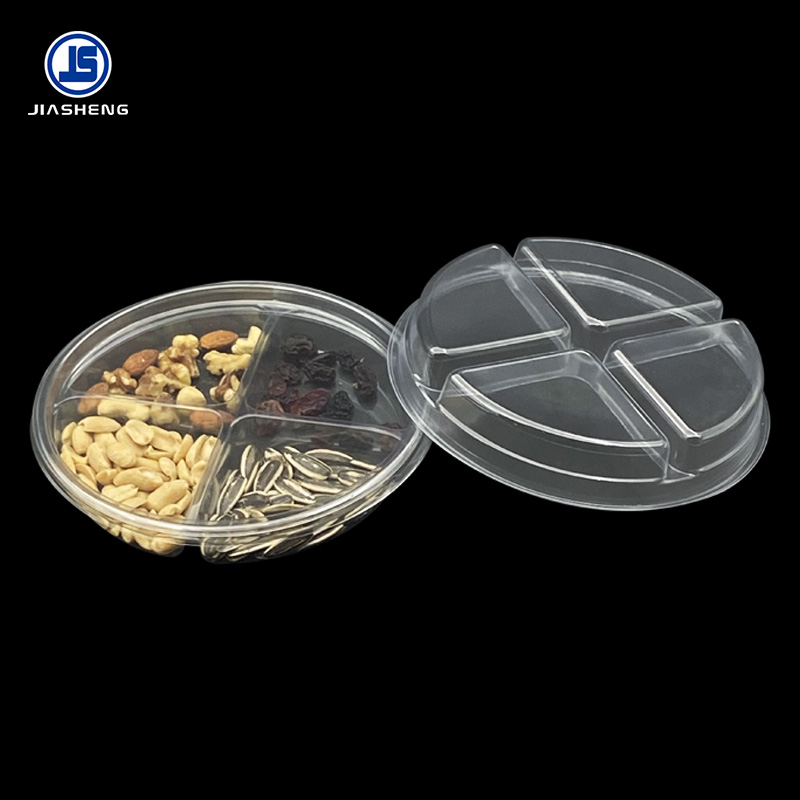
Molded compartments keep each component in its own cell, so moisture migration happens at the rate of the seal, not the rate of contact. The commercial benefits stack up too:
Portion control without effort: each cell holds a defined volume, so a "30 g per serving" claim stays true on every pack without weigh-and-adjust labor.
Premium mixed formats: four or six-part layouts let you sell an assortment that looks deliberate on the shelf — the same trick confectionery brands use with chocolate gift trays.
Less breakage waste: delicate dried fruit — figs, soft apricots — stops being crushed under the weight of denser nuts.
Material and Food-Grade Compliance
Food-grade PET and PP are the standard tray materials for sealed snack packs. The points to verify with any supplier:
Food-contact certification for your market — not just "food grade" as a phrase. Oily foods migrate more than dry foods, so confirm the material is tested for fatty-food contact if your regulations distinguish them.
Clarity and gloss retention through refrigerated or ambient distribution, since condensation on a cloudy tray kills shelf appeal.
BPA-free and recyclability positioning. Formats like BPA-free vacuum packaging trays for food-grade sealing make the compliance story part of the product spec rather than an afterthought — increasingly a retail-buyer checklist item.
Custom Sizes: Matching the Tray to Your Sealing Line
A stock tray that almost fits your chamber or tray-sealing machine is how line-efficiency problems start. When you source wholesale clear vacuum packaging trays with custom sizes, bring three numbers to the conversation: your machine's sealing footprint, your target fill weight per SKU, and your carton's internal dimensions. A tray that nests tightly into your shipper can raise pallet density noticeably — and pallet density is margin when you ship internationally.
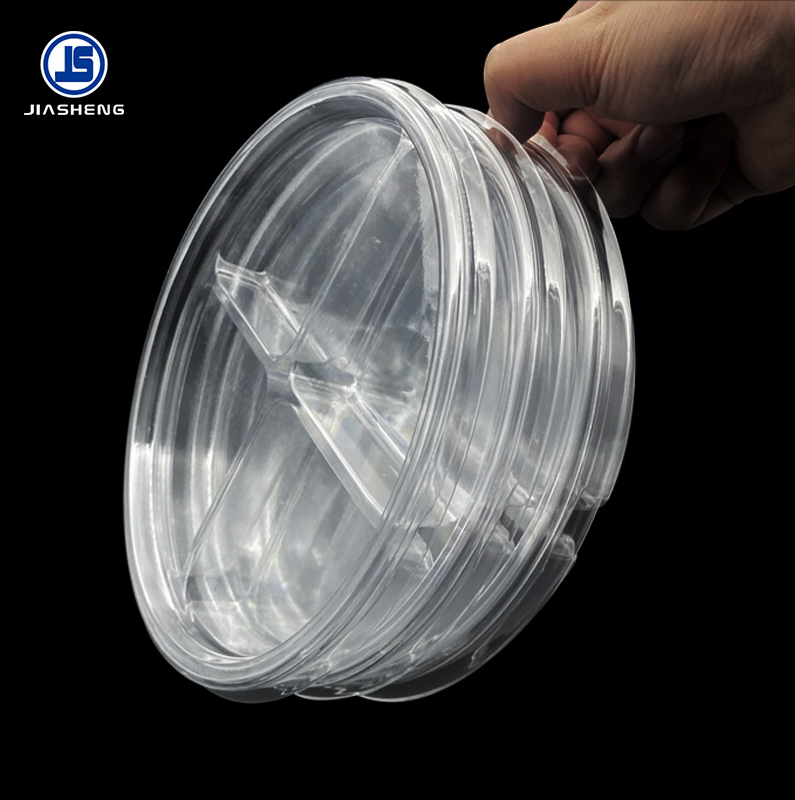
Formats such as the general-purpose vacuum packaging tray for food exist as stock starting points, and customization adjusts depth, cell count, and rim width from there. Weight matters too: the tray above is thin enough to keep material cost down while the ribbed rim preserves the stiffness the seal depends on.
Pre-Order Checklist for Snack Brands
Before committing to a volume order, confirm six things:
1. Seal trial on your machine — the tray and film combination, not the tray alone.
2. Real-product fit test with your fattest SKU and your largest dried-fruit piece.
3. Drop and stack test on a sealed, filled pack — rims are what fail.
4. Fatty-food contact compliance documented for your export markets.
5. Carton and pallet fit confirmed with real nest-and-stack numbers.
6. Samples before tooling: standard formats are usually available through free sample services, so the trial costs you a delivery, not a mold.
Four Questions to Ask a Vacuum Tray Supplier
1. Has this tray been sealed on vacuum or tray-sealing equipment before? You want a supplier who can name machine types and film pairings that work, not one who has only molded the tray.
2. What is the rim flatness tolerance? Flat sealing flanges are what keep micro-leaks out of long-shelf-life packs.
3. Can compartments be tooled to my mix? If your assortment changes yearly, a supplier with in-house mold development beats one who only sells stock cells.
4. What is the food-contact documentation package? Certificates for the exact resin and market, ready to hand to your retail buyer's audit team.
Frequently Asked Questions
Do nuts really need vacuum packaging, or is a tight lid enough? A tight lid slows oxygen and moisture; vacuum removes most of the oxygen. For products with months of target shelf life, export shipping, or high oil content, the difference shows up directly in rancidity complaints.
Will vacuum crushing damage the nuts? Rigid trays prevent that — unlike vacuum pouches, the tray holds its shape under the film, so the product is protected rather than compressed.
Are compartment trays available in custom layouts? Yes. Cell count, depth, and diameter can be tooled to your specific mix; many snack brands start from a stock four-compartment format and customize once volumes justify it.
Can the trays be printed with our branding? Printing, custom colors, and embossed logos are standard at manufacturing volume; most snack brands begin with clear stock formats and add branding as volumes grow.
What is the typical minimum order for custom sizes? It depends on tooling: modified stock formats need far smaller commitments than fully custom molds. Ask the supplier to quote both routes — the stock-plus-adjustment path often reaches market months faster.
The Bottom Line
For nuts and dried fruit, freshness is engineered, not assumed. A rigid tray with a flat sealing rim, compartments that keep wet and dry ingredients apart, food-grade material with documented compliance, and dimensions matched to your sealing line and your carton — that is the full spec. Validate it with samples on your own machine before you commit to volume, and the packaging disappears from your customer complaints, exactly where you want it.
Need Vacuum Packaging Trays for Your Snack Line?
Food-grade clear trays with custom sizes and compartments — free samples before you commit.
Request Free Samples